
China’s 2026 NRDL has 107 new inclusions, with success rate falling to 29%, while the commercial insurance C-list admitted 12 products. We examine the outcomes across therapeutic areas, latest trends and new themes for the different pathways, and success factors thereof.
2026 NRDL results were unveiled in mid-November, with a few notable trends unfolding.
- Of the 368 candidates, only 107 made the NRDL new listing. Overall success rate reached a new low at 29%, compared to 37% in 2025.
- Of the 57 candidates for the C-list, 12 cross the finishing line. Overall success rate stood at 21%, slightly better than 16% in 2025.
- Interestingly, the newly introduced pre-communication mechanism turns out to be a boon for candidates, with a 65% success rate for NRDL listing and 37% for CHI listing.
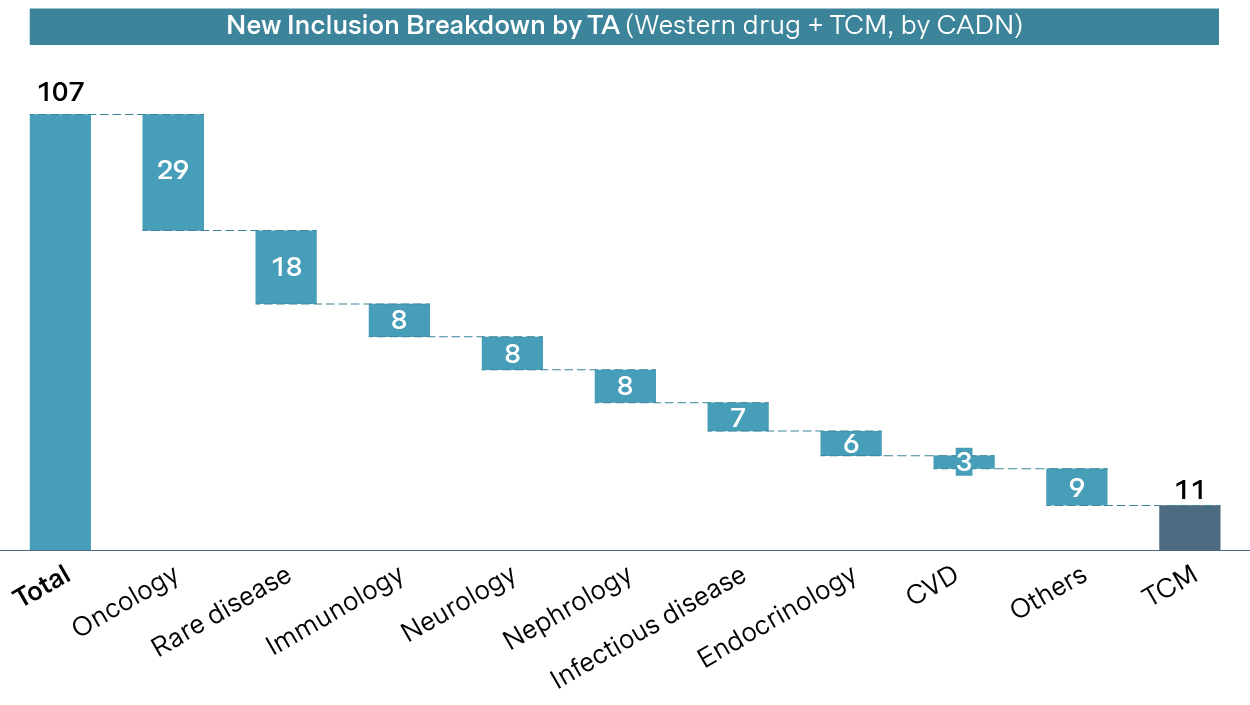
By therapeutic area, oncology led with 29 new products for NRDL, followed by rare diseases with 18 successes. Immunology, neurology/psychiatry, and nephrology each recorded 8 inclusions, while infectious diseases and endocrinology scored 7 and 6, respectively.
Oncology, rare disease, and chronic diseases stand out as top TAs with most new listing successes
Source: Simon-Kucher insights; NHSA press release
Oncology
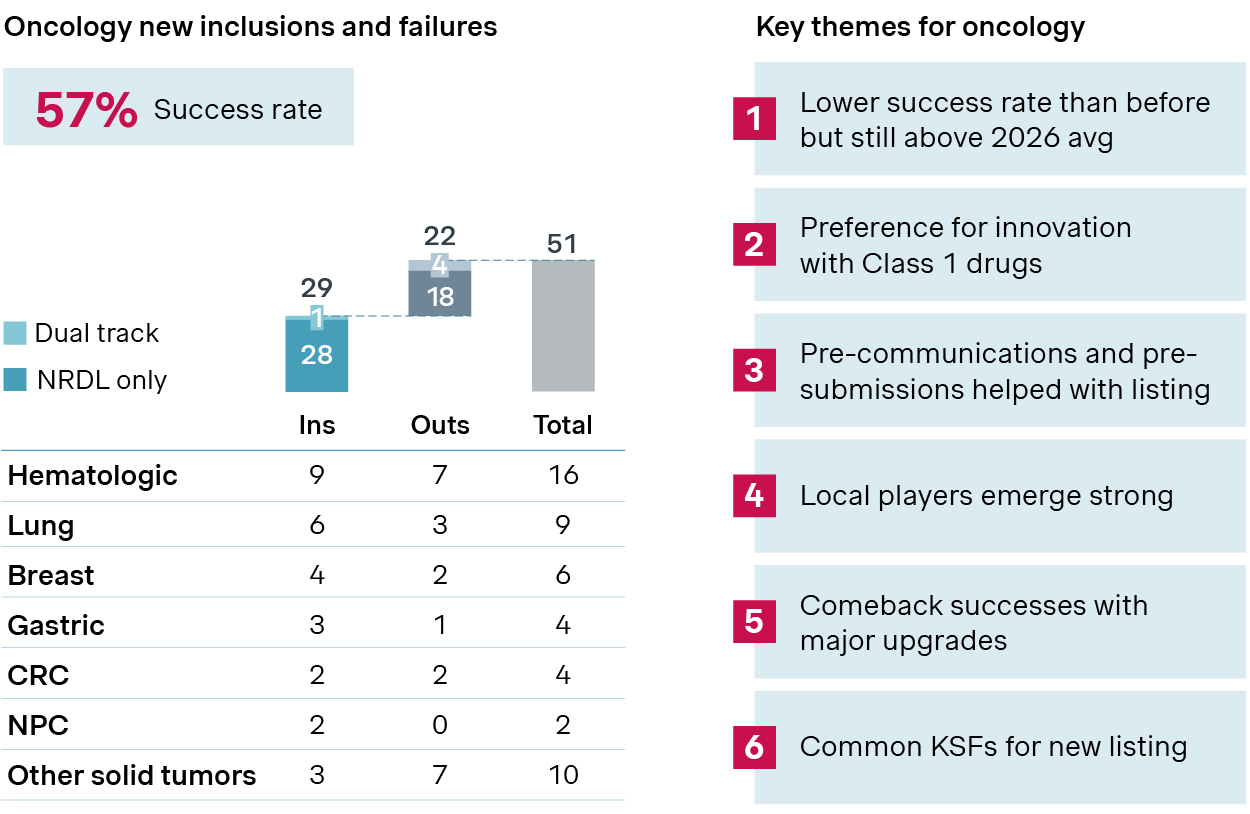
Oncology saw 29 new inclusions for NRDL with success rate at 57%, around twice the overall average. Heme-onco, lung cancer, and breast cancer saw most new inclusions, while gastric, colorectal, and nasopharyngeal cancers also welcomed new additions to the formulary.
Oncology sees 29 new inclusions in NRDL 2026, with hema onco and lung cancer as the most contested
Source: Simon-Kucher insights; NHSA press release
- Heme-onco saw nine new inclusions across multiple indications, including FL, MCL, LBCL, MM, AML, and CLL/SLL.
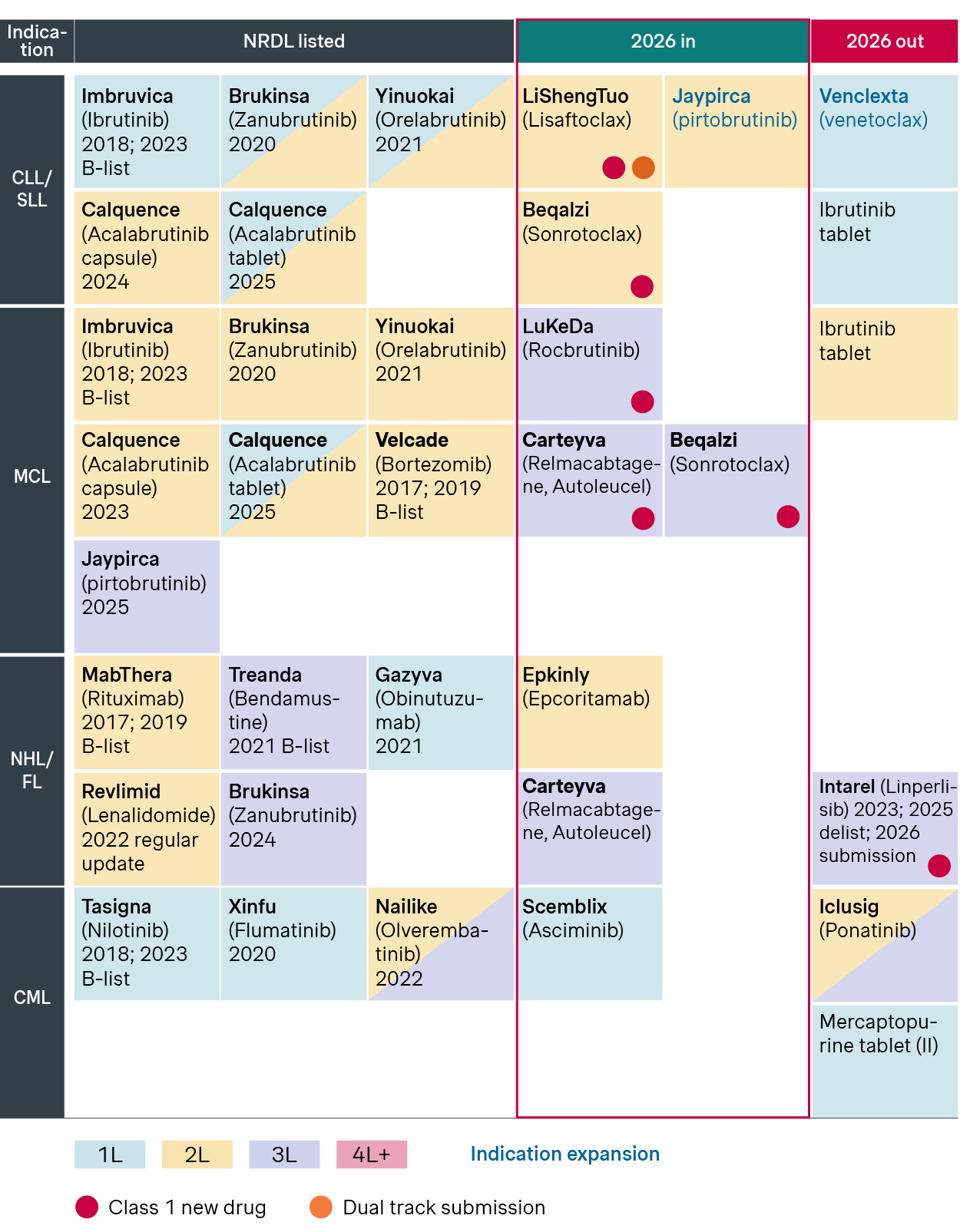
- In particular, Carteyva or relmacabtagene autoleucel made history as the first and only CAR-T therapy included in NRDL formulary, representing a breakthrough for cell therapy. As a CD19 CAR-T first approved in 2021 and subsequently made several bids for NRDL listing to no avail, it made to the C-list in 2025, which helped its admission to NRDL this year covering R/R LBCL, FL and MCL all in one-go. This in turn will have a major impact on other CAR-Ts with overlapping indications, while also serving as an inspiration for the many inline and pipeline advanced therapeutics.
- Two BCL-2 inhibitors, lisaftoclax and sonrotoclax, also were included to offer new treatment options for CLL/SLL patients previously exposed to BTK inhibitors. Lisaftoclax demonstrated encouraging efficacy in heavily pretreated patients, achieving an ORR of 63% and mPFS of 24 months. Sonrotoclax showed ORR at 77% for the same indication while also covered for R/R MCL. Conversely, Jaypirca, a non-covalent BTK inhibitor already listed for MCL, expanded indication to CLL/SLL. Meanwhile, rocbrutinib successfully secured NRDL listing just six months after regulatory approval with a moderate price cut, supported by clear articulation of its differentiated mechanism of action and clinical advantages over previous-generation BTKIs, compelling China-specific clinical evidence substantiating its value proposition, and proactive mitigation of budget impact concern by highlighting its small eligible patient population at 1,500 in China.
- Other hematologic inclusions further illustrate the importance of differentiated clinical value and compelling evidence. In R/R FL, the CD20×CD3 bsAb epcoritamab achieved NRDL listing with a 95% ORR and an 83% CR in combination with lenalidomide and rituximab, while reducing the risk of disease progression or death by 79%. Scemblix, an allosteric BCR-ABL1 inhibitor for newly diagnosed CML, made a successful NRDL comeback with a revamped strategy to position itself as a competitively priced alternative with clear clinical benefits over a different comparator better accepted by the payer, and an upgraded evidence package with China-specific RWE and a MAIC against the new comparator.
Heme-oncology: CAR-T is this year's highlight in heme-oncology
Source: Simon-Kucher insights; NHSA
- In lung cancer, new entrants are emerging across key subtypes.
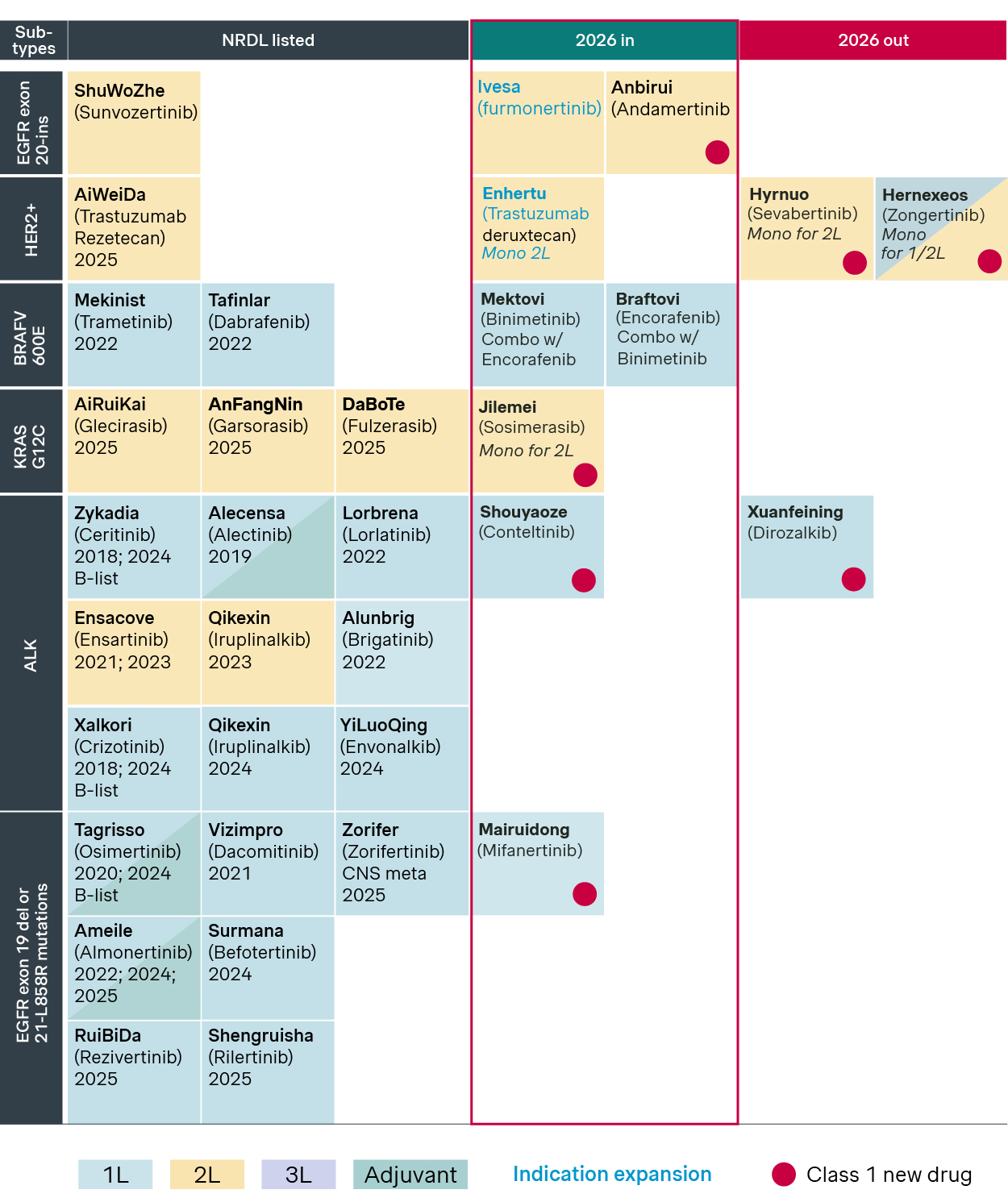
- EGFR exon 20 insertion-mutant NSCLC saw both a new NRDL inclusion and an indication expansion. Andamertinib successfully secured NRDL inclusion with a modest 44% price cut, meanwhile furmonertinib expanded its existing coverage to this indication.
- In HER2+ NSCLC, neither zongertinib nor sevabertinib succeeded as oral TKI, leaving ADCs reigning the space. Following NRDL listing of trastuzumab rezetecan last year, Enhertu made it this year via indication expansion, along with 4 other indications in one fell swoop.
- For BRAF V600E-mutant metastatic NSCLC, Braftovi plus Mektovi were newly included as a combination therapy. With a sharpened focus on NRDL instead of dual-submission, and prioritizing NSCLC over CRC, it further optimized comparator selection and evidence package and made a successful return.
- For KRAS G12C NSCLC, sosimerasib, a Class 1 innovative drug, secured NRDL listing within 10 months of launch with a moderate price cut. To differentiate from the incumbents, it selected the highest-priced competitor as comparator to establish a favorable pricing benchmark, positioned as a value option that broadens clinical choice, and became the fourth reimbursed KRAS G12C inhibitor.
- In EGFR L858R-mutant NSCLC, mifanertinib secured its NRDL listing for first line treatment, supported by superior efficacy versus gefitinib in a Phase III trial, with significantly longer mPFS. In ALK-positive NSCLC with nine incumbents, the bar is higher with dirozalkib losing out the duel to conteltinib which won the nod from payer as a notable example of a Class 1 drug that expands treatment options at a reasonable price.
NSCLC sees additions from renewal and new listing
Source: Simon-Kucher insights; NHSA
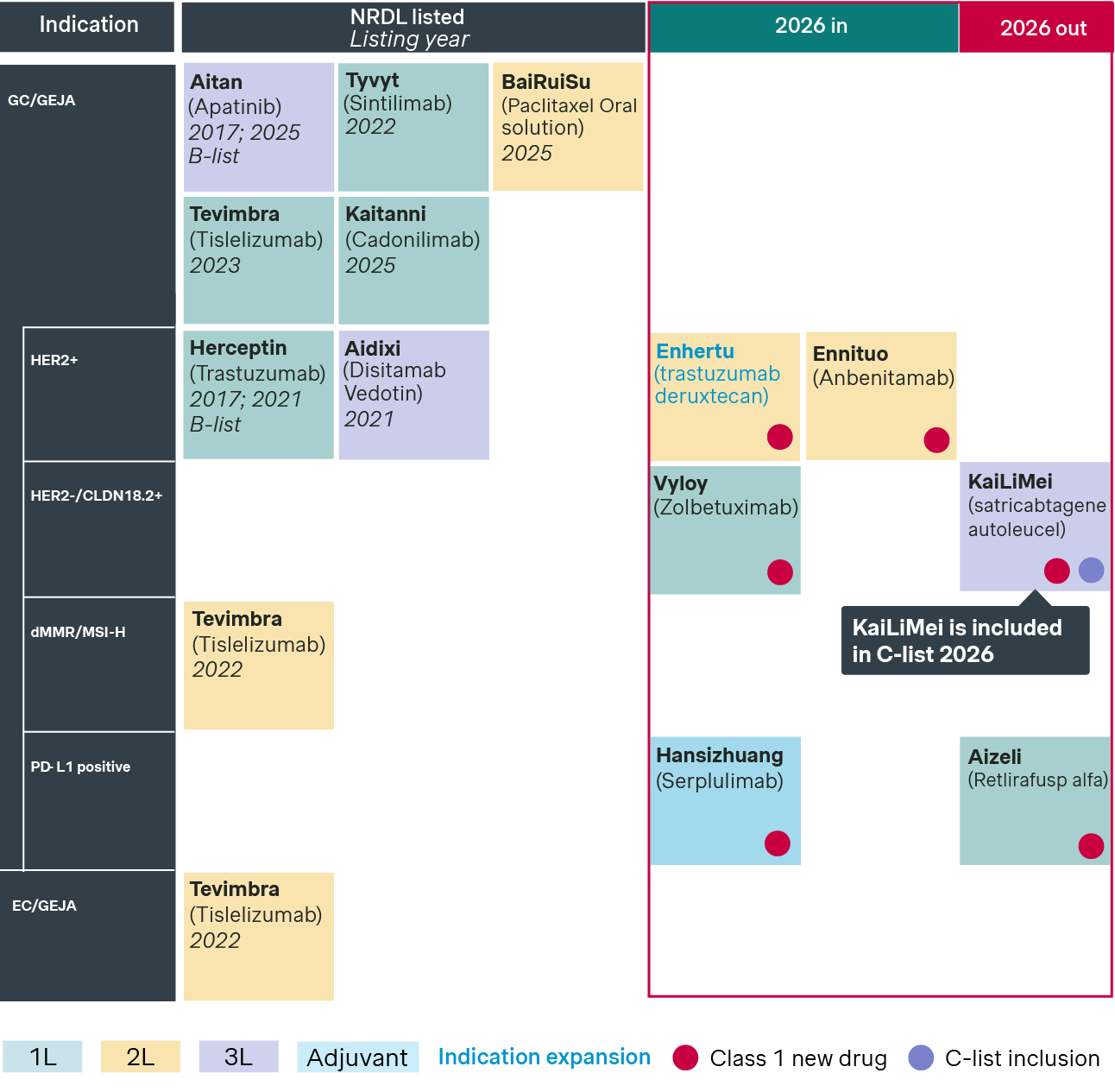
- Gastric cancer saw some exciting breakthroughs with three products securing NRDL inclusion, another one through indication expansion, and a CAR-T making the C-list, bringing new modalities and new treatment options for China patients in need.
- In HER2-positive gastric cancer, anbenitamab secured second-line coverage with a twofold improvement in OS and a threefold improvement in PFS. Enhertu also expanded into later-line gastric cancer, supported by significant survival benefits versus an active comparator in the Phase III trial.
- In HER2-negative, CLDN18.2-positive gastric cancer, Vyloy or zolbetuximab made it to NRDL with its innovative MoA, improved mPFS and mOS, as well as differentiated positioning to address the treatment gap in HER2-negative GC. In parallel, another CLDN CAR-T satricabtagene autoleucel made to the C-list, with the aura as the world’s first and only CAR-T therapy for solid tumor.
- In PD-1-positive gastric cancer, serplulimab made the final list while another Class 1 drug retlirafusp alfa missed despite its innovative PD-L1/TGF-β dual-target mechanism. The contrast underscores that novel MoA alone no longer moves the needle, while addressing treatment gaps, demonstrating differentiations and offering compelling value are increasingly key for NRDL success.
Gastrointestinal cancer sees some exciting breakthroughs with three products securing NRDL inclusion and 1 for indication expansion
Source: Simon-Kucher insights; NHSA
- In nasopharyngeal carcinoma, two ADCs broadened later-line options beyond PD-1 therapies.
- Izalontamab brengitecan, the world’s first EGFR/HER3 bispecific ADC, secured rapid NRDL inclusion within ~6 months of approval with a modest 45% price cut, supported by compelling propositions on significant clinical benefits and manageable budget impact. Through pre-submission for NRDL ahead of formal NMPA approval, it positions as indigenous innovations towards addressing the unmet need in later-line NPC, backed by Phase III China RCT evidence demonstrating nearly doubled PFS and ORR versus chemotherapy. Meanwhile, it proactively mitigated payer budget impact concerns by highlighting the low incidence and limited patient population in later-line NPC. Together with the EGFR-targeted ADC becotatug vedotin, a new chapter is expected for NPC going forward.
Rare diseases
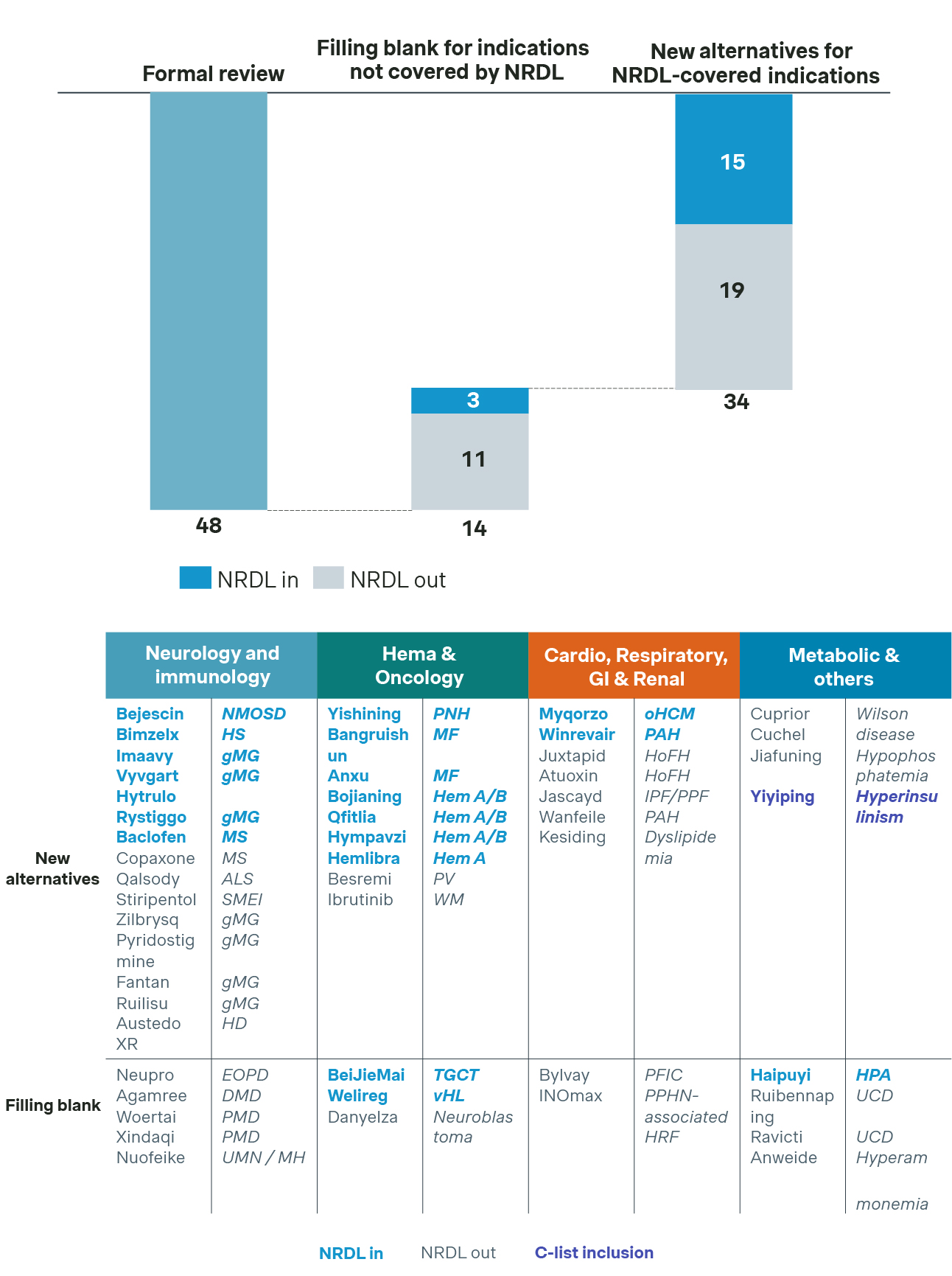
2026 turns out to be a banner year for rare diseases, and saw a record high of 18 products making NRDL with success rate stood at 38%, well above 27% last year.
Rare disease drugs entering previously uncovered indications have lower NRDL inclusion rates
Source: Simon-Kucher insights
For those indications with incumbents, success rate is even higher at 44% towards introducing new supplements or alternatives to current therapies.
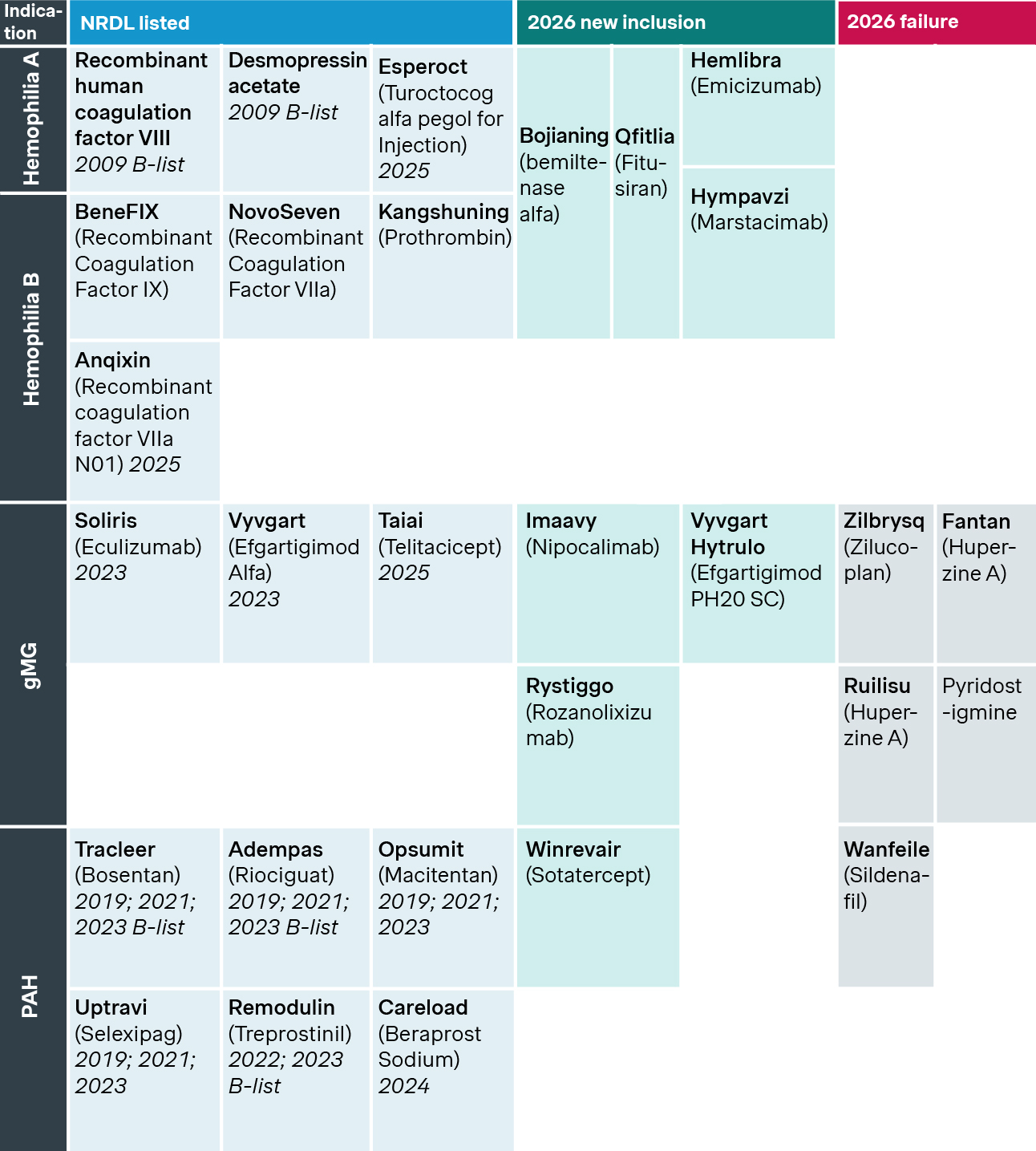
- In hemophilia, three non-factor therapies -- fitusiran, marstacimab, and emicizumab --crossed the finishing line hand in hand. These new inclusions fill a gap in non-factor therapy coverage, broaden patient choices and help shift on-demand treatment toward routine prophylaxis, improving long-term outcomes as well as fund efficiency.
- For generalized myasthenia gravis, three FcRn antagonists emerged triumphant: rozanolixizumab, nipocalimab, and subcutaneous efgartigimod alfa. The first two fill the existing coverage gap for MuSK-positive patients, and nipocalimab is positioned as the only Class 1 drug covering adolescents aged 12 and above, with a differentiated patient population and compelling efficacy data extending to an impressive 120 weeks.
- Sotatercept represents a paradigm shift in pulmonary arterial hypertension or PAH. While endothelin receptor antagonists, PDE5 inhibitors, and prostacyclin therapies are well established in PAH, they do not adequately address the disease at its root. By modulating activin signaling and restoring the balance between vascular cell proliferation and inhibition, sotatercept introduces a disease-modifying mechanism that targets vascular remodeling underlying disease progression, hence is recognized for its innovativeness and the breakthrough it brings to PAH patients.
The 2026 NRDL negotiation saw multiple new inclusions in Hemophilia A/B, gMG, and PAH
Source: Simon-Kucher insights; NHSA
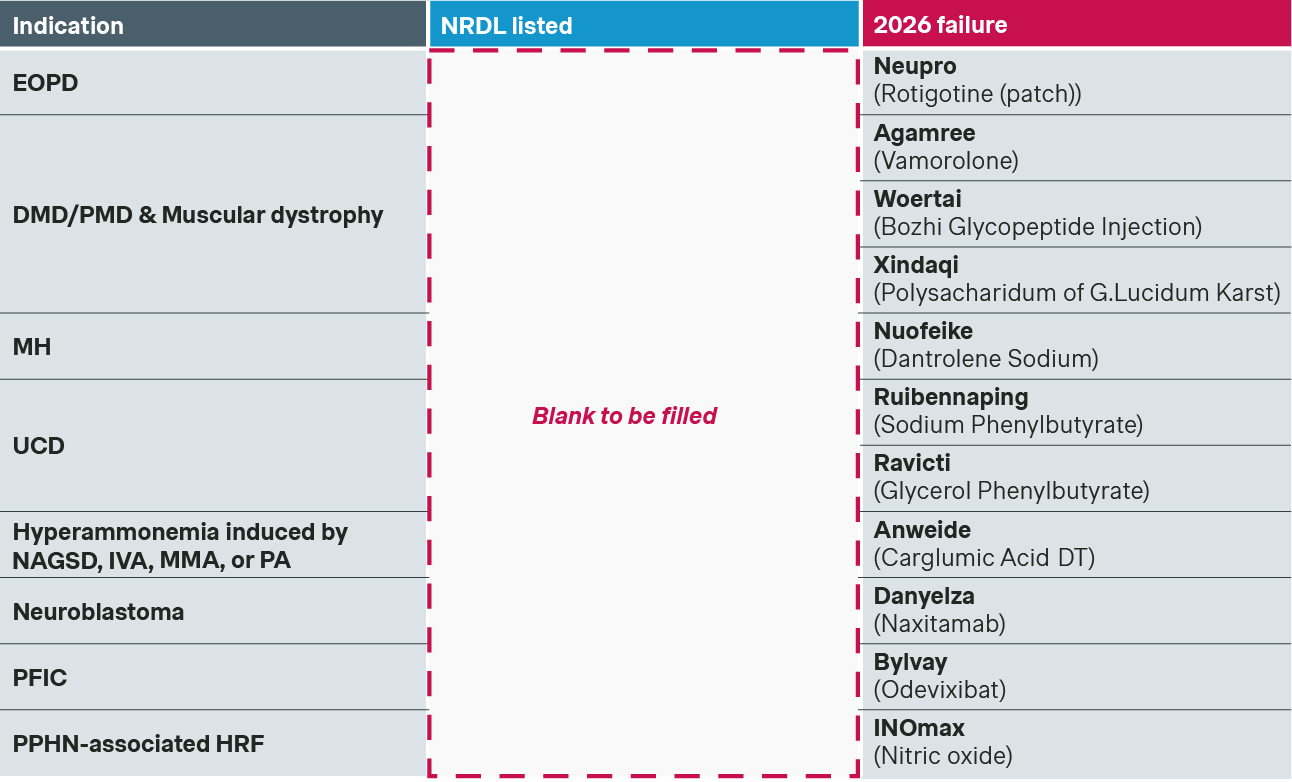
For the other 14 candidates striving to become the first treatment for respective indications, only three succeeded, representing a success rate of just over 20%.
- Pimicotinib addresses the empty space for Tenosynovial giant cell tumor or TGCT, which imposes a substantial disease burden with limited treatment options. In the global Phase III study, the objective response rate at week 25 was 56%, with significant improvements in joint function and pain. As an innovative asset from China and now in partnership with a MNC major, it is a good example that China access and global potential can be balanced and well aligned.
- Sapropterin graduated from the C-list in 2025 to NRDL listing this year for patients with hyperphenylalaninemia requiring long-term treatment, while belzutifan made a comeback after last year’s setback with an upgraded evidence package including its global follow-up extended to 74 months, new six-year surgery-free data, and improved Chinese population evidence and patient-number estimates, and goes to show that persistence and preparation paid off.
11 filling-blank RD drugs fail to achieve NRDL inclusion
Source: Simon-Kucher insights
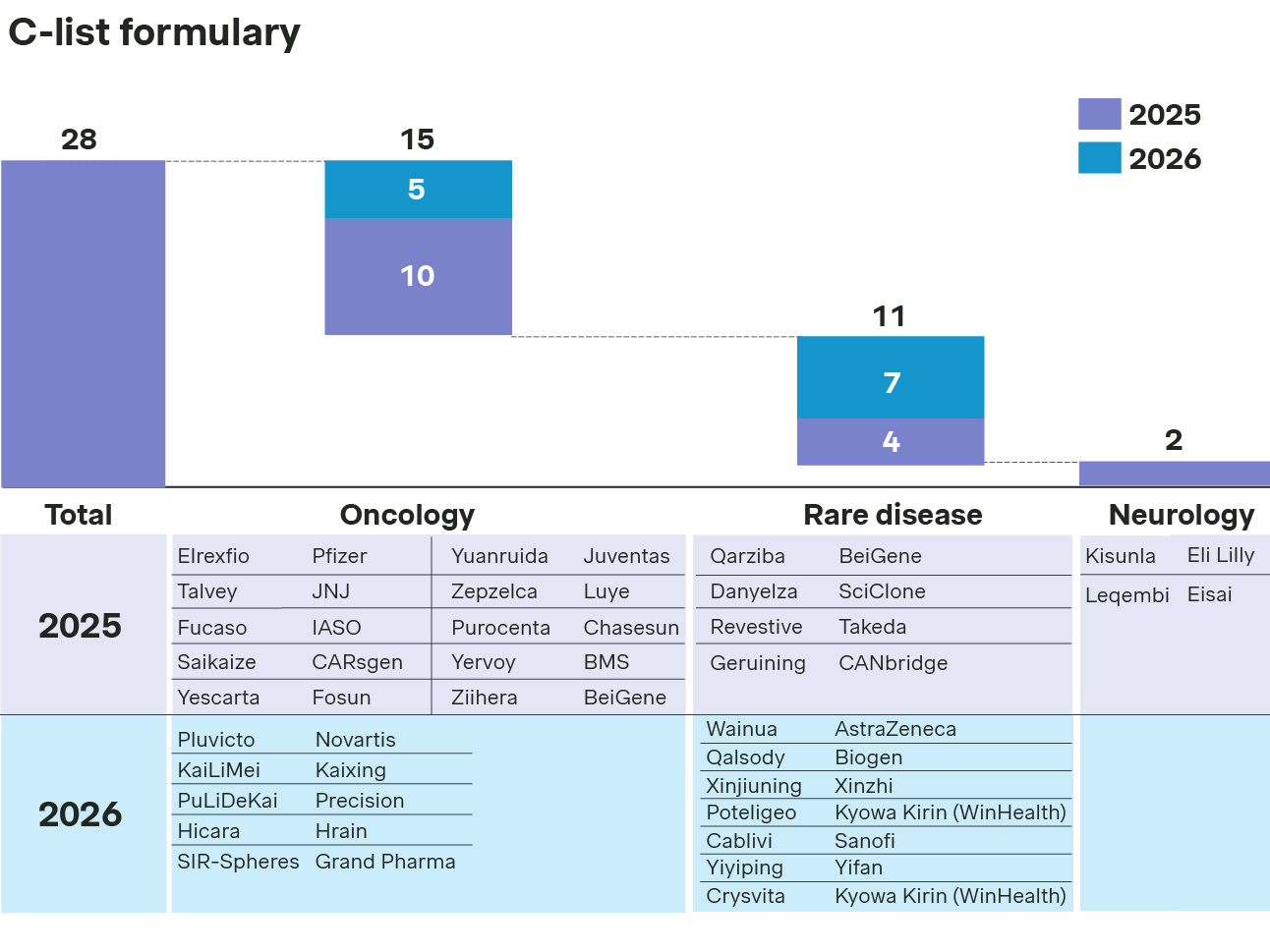
For rare diseases still lacking NRDL coverage, the C-list offered a potential alternative. In fact, seven of the 12 newly included C-list products are rare diseases drugs.
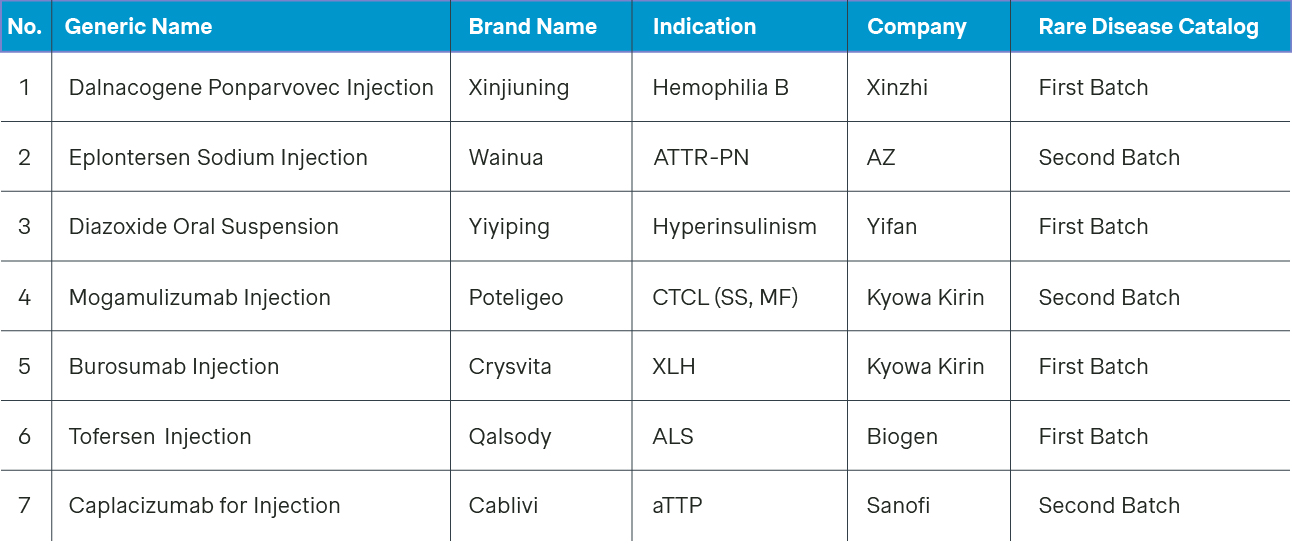
- Caplacizumab is a new treatment for immune-mediated thrombotic thrombocytopenic purpura or iTTP. While conventional plasma exchange plus immunosuppression faces challenges including delayed response and relapse, it inhibits microthrombus formation, accelerates platelet recovery, and reduces the risk of acute deterioration. Despite high drug costs, it could bring major benefits for the patients, while helping reduce spending on plasma exchange, intensive care, and hospitalization alike.
- Burosumab, an anti-FGF23 antibody, offers a targeted therapy for X-linked hypophosphatemia or XLH. Tofersen, meanwhile, represents a breakthrough in precision treatment for a small ALS subtype by targeting SOD1 mutations. Its data demonstrates reductions in neurofilament levels and longer-term data for slowing disease progression.
- Another superstar this year is dalnacogene ponparvovec. As the first made-in-China gene therapy for hemophilia B, it offers patients who have long depended on factor IX replacement with the prospect of a single shot with sustained efficacy and a functional cure potentially.
Seven rare disease drugs were newly included in the 2026 Commercial Health Insurance Innovative Drug List
Source: Simon-Kucher insights; NHSA, press release
Chronic diseases
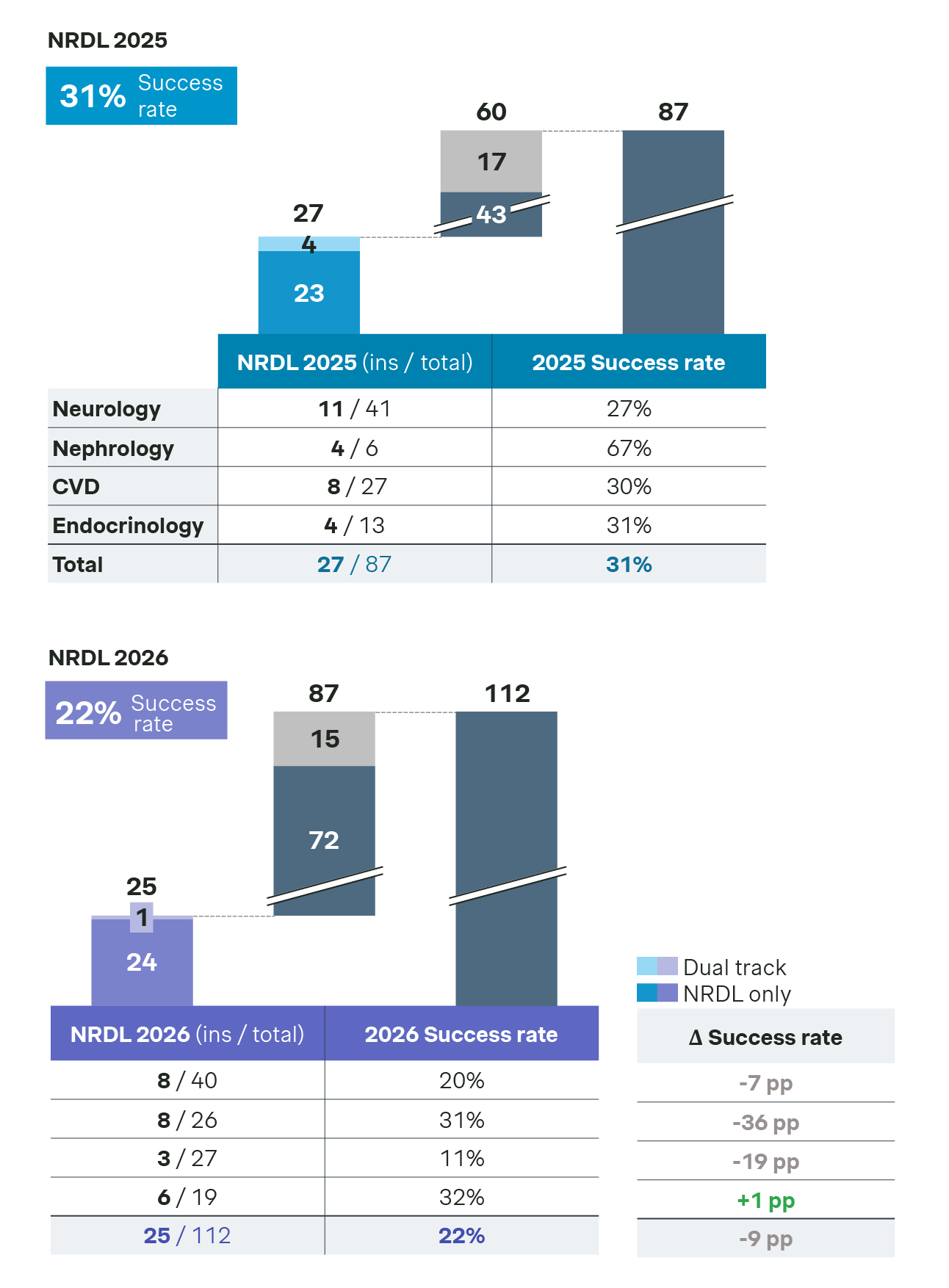
Competition in chronic diseases surged in 2026 with 112 candidates, compared to 87 last year, driven particularly by nephrology, where submissions jumped to 26 compared to 6 last year. Meanwhile, the overall success rate declined from 31% to 22%. Across therapeutic areas, nephrology and neuropsychiatry saw 8 new inclusions each, followed by 6 in endocrinology and 3 in cardiovascular diseases.
Despite rise in chronic disease candidates from 87 to 112, largely driven by nephrology, NRDL 2026 records 25 new inclusions as the success rate falls 9 pp to 22%.
Chronic disease new inclusions and failures
Source: Simon-Kucher insights; NHSA
- Nephrology is entering a new era of targeted intervention with a few new players.
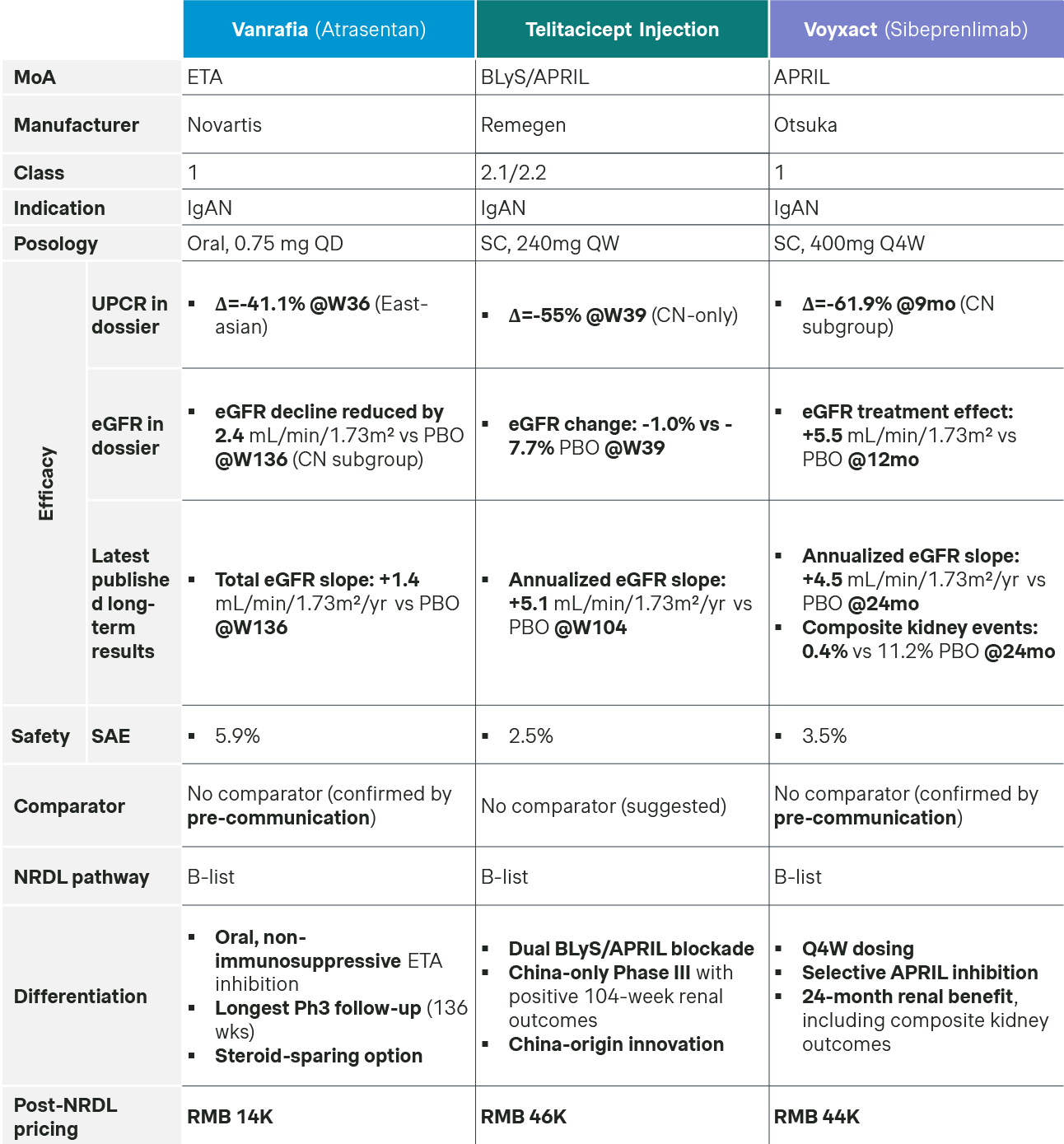
- Telitacicept once-a-week injection brings impressive results from a China-only Phase III trial as well as its latest two-year follow-up showing major improvement in eGFR, by blocking both BLyS and APRIL simultaneously. In contrast, Voyxact or ibeprenlimab selectively targets APRIL and offers once-every-four-weeks subcutaneous dosing. At 24 months, it shows major improvement of eGFR slope and registered a drastic reduction of composite kidney events from 11% to 0.4%. At the same time, Vanrafia or atrasentan offers an oral, non-immunosuppressive kidney-protective option through selective ETA antagonism, with encouraging long-term renal outcomes from the 136-week ALIGN follow-up, the longest of the three. With distinct mechanisms, administration and dosing regimens, each demonstrated differentiated value propositions for the patients and payer.
Nephrology: Three mechanistically distinct lgAN therapies achieves NRDL inclusion in 2026, expanding precision treatment options
Source: Simon-Kucher insights; NRDL dossiers
- Primary membranous nephropathy also saw a breakthrough from a local obinutuzumab β, as the world’s first drug approved for this indication well ahead of the originator. As a third-generation anti-CD20 antibody, it brings new hope for pMN patients by enhancing antibody-dependent cellular cytotoxicity and promoting B-cell depletion.
- Neurology and psychiatry:
- In migraine, Ajovy or fremanezumab secured NRDL inclusion for preventative treatment of chronic migraine, where frequent attacks seriously disrupt daily life and work, particularly among women. Ajovy’s clinical and societal value were at play with Phase III evidence among Chinese patients, on top of its flexible monthly or quarterly dosing. Moreover, its label specifies that treatment must be initiated by physicians experienced in migraine management, and reimbursement further limits prescriptions to neurology or pain departments in tertiary hospitals. Its NRDL listing indicates that preventive therapies for chronic diseases can succeed when the target population and reimbursement limits are well defined.
- Schizophrenia saw an NRDL breakthrough for a novel mechanism: xanomeline/trospium became the first reimbursed antipsychotic that does not act through dopamine pathways. The value of a new mechanism extends beyond symptom control, and its inclusion signals greater payer recognition of unmet needs and societal value in certain patient groups.
- Alzheimer’s drugs Leqembi and Kisunla were included in C-list last year, and both made another attempt for NRDL this year to no avail.
- New endocrinology inclusions largely broadened patient choice within established treatment categories.
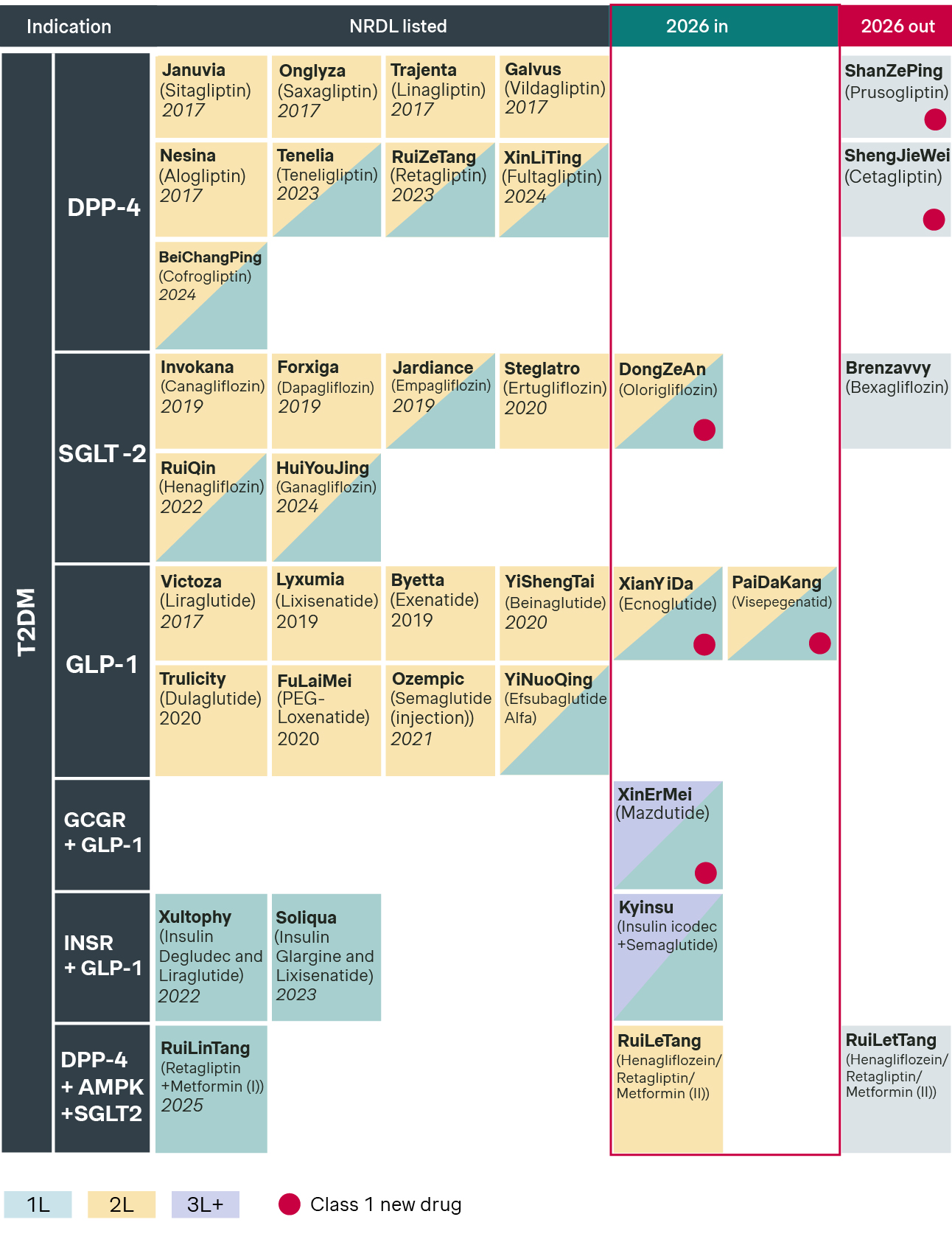
- Despite the multiple GLP-1-related therapies already covered by the NRDL, four additional GLP-1 products successfully secured inclusion for diabetes this year. XianYiDa or ecnoglutide secured NRDL inclusion with a modest price cut, leveraging its distinctive cAMP-biased agonist mechanism to differentiate on glycemic efficacy and potential long-term tolerability. PaiDaKang or visepegenatide simplifies long-term diabetes management through once-weekly administration without dose titration. XinErMei or mazdutide, the world’s first GCG/GLP-1 dual receptor agonist, acts directly on the liver and extends benefits beyond glycemic control to broader metabolism. The once-weekly Kyinsu or insulin icodec/semaglutide combination, as the first basal insulin/GLP-1RA weekly formulation, offers a more convenient option for later-line intensification. In mature categories like diabetes, newcomers that address differentiated patient needs and expand clinical options at the right prices may still secure NRDL inclusion.
Overview of endocrinology NRDL landscape as of 2026 (partial)
Source: Simon-Kucher insights; NHSA
- Cardiovascular disease is becoming a frontier for innovative modalities, yet NRDL access outcomes have diverged.
- Redemplo or plozasiran secured NRDL listing as the world's first APOC3-targeted siRNA therapy, addressing a longstanding treatment gap in familial chylomicronemia syndrome or FCS. A Chinese Phase III study demonstrated an 86% reduction in triglycerides from baseline, while a post hoc analysis of the global Phase III study suggesting an 83% reduction in recurrent acute pancreatitis risk. Its once-quarterly dosing and relatively limited budget impact further strengthened its value propositions, contributing to fast NRDL inclusion with a moderate price cut.
- By contrast, HuaSuoLing or donaperminogene seltoplasmid, the world's first HGF-based plasmid gene therapy for patients with severe lower-limb ischemia, didn’t make it partly due to the lack of long-term follow-up and pharmacoeconomic evidence for now.
Immunology
Competition in immunology intensified in 2026, with 31 drugs passing the formal review but only 8 ultimately securing NRDL inclusion. The success rate fell to 26%, the lowest in five years. Differentiated positioning is becoming an increasingly important factor for new therapies seeking NRDL in mature treatment areas.
Immunology new inclusions and failures
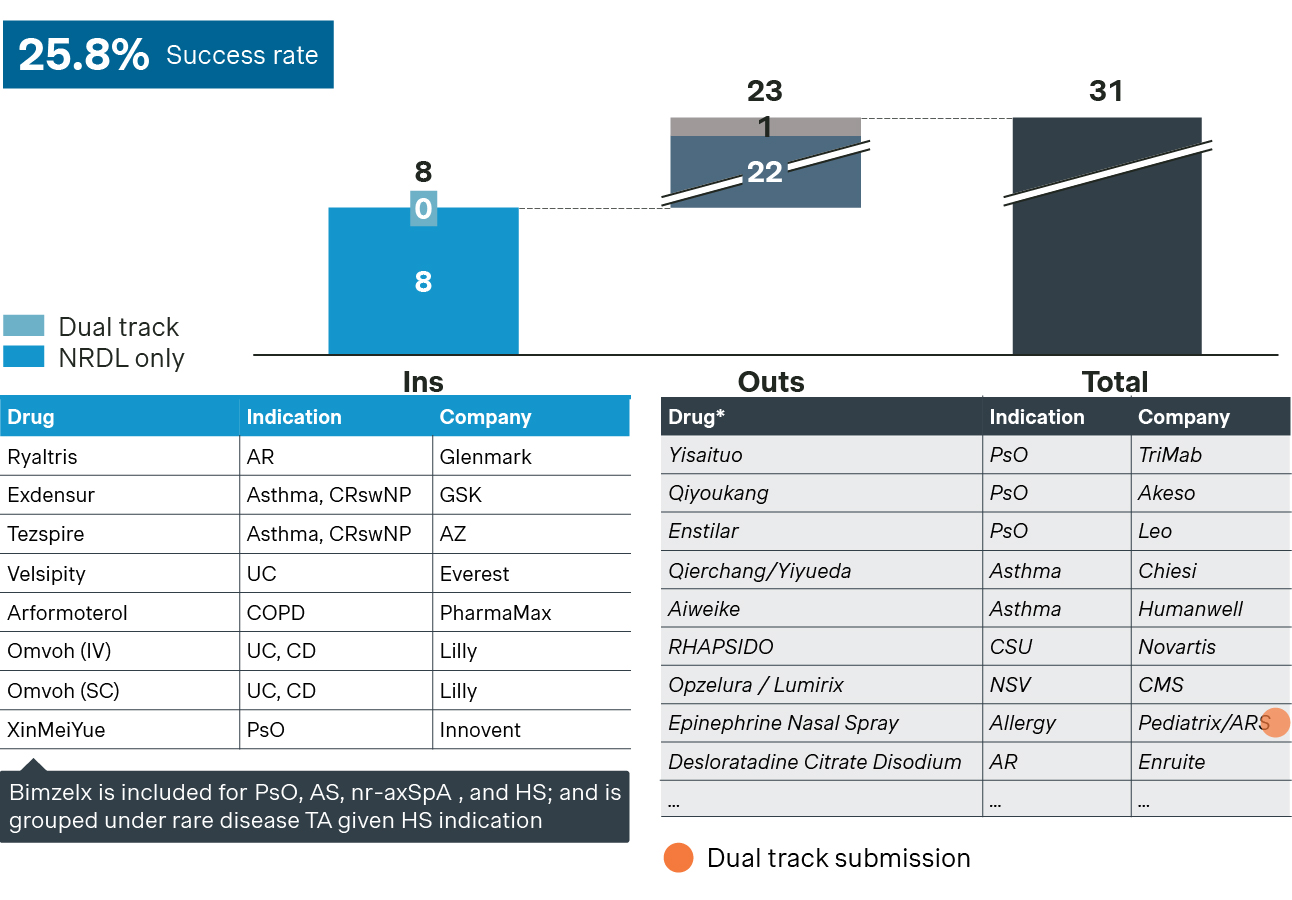
Source: Simon-Kucher insights; NHSA press release
- In psoriasis, competition was particularly intense with more than 10 NRDL incumbents and 5 new listing candidates competing for inclusion with mixed outcomes. While inclusion of Bimzelx and XinMeiYue highlights the importance of IEP in establishing a differentiated value proposition to achieve NRDL success.
- Bimzelx or bimekizumab successfully pivoted from its C-list application last year to NRDL inclusion this year with a moderate 39% price reduction, supported by a comprehensive evidence package with three head-to-head RCTs in psoriasis against Cosentyx, Stelara, and Humira to establish clinical superiority, a China-specific RCT to validate Chinese patients efficacy, and China-specific meta-analysis to substantiate comparative advantages over key NRDL-listed alternatives.
- XinMeiYue or picankibart, the first domestically developed IL-23p19 inhibitor, secured NRDL inclusion with an IEP emphasizing clinical efficacy supported by a China RCT, comparative advantages demonstrated through a meta-analysis against NRDL-listed IL-23 inhibitors Tremfya and Ilumetri, alongside head-to-head pharmacological evidence vs Tremfya showing comparable target-binding affinity and stronger inhibition of key downstream inflammatory mediators
- In asthma and nasal polyp, Tezspire and Exdensur successfully secured NRDL inclusion. The innovative upstream TSLP mechanism of the former helps fill the biologic treatment gap in non-Type 2 severe asthma, and demonstrated superiority over comparator with multiple MAIC and NMA analyses, while latter highlighted its impressive results for clinical remission, unique value managing co-morbidity and the convenience of 6-month dosing.
Anti-infectives
Anti-infectives and antiviral therapies recorded a low success rate at 28%, with 7 of 25 candidates made to NRDL.
- Eravacycline, the world’s first fluorocycline antibiotic, entered NRDL negotiation for the first time four years after launch. Supported by real-world research with more than 3,000 patients and a 2026 expert consensus endorsing its clinical positioning, it succeeded as the first NRDL-covered option addressing carbapenem-resistant Acinetobacter baumannii or CRAB.
- Three contenders competed in rabies passive immunization, with ormutivimab as the only one made it after a previous NRDL setback. Coverage for children aged two and above and a proactive pre-submission price cut helped balance clinical value with budget impact considerations. In contrast, zamerovimab/mazorelvimab failed for a second consecutive year, while silevimig fell short on its first try.
- Despite its potential to fill a treatment gap in hepatitis D, libevitug failed to gain NRDL inclusion this year. Additional clinical and real-world data may help strengthen the evidence on long-term efficacy, safety and treatment duration, and support its future bid.
NRDL comebacks
Of the NRDL successes this year, 21 of them are comebacks with key learnings from previous comebacks and a recalibrated approach, as reflected in sharpened focus, optimized comparator selection, strengthened evidence packages, and strategic pricing gestures. Together, these levers can reinforce value propositions, address objections and payer concerns, and ultimately improve the likelihood of NRDL success.
For western drugs, nearly three-quarters of new inclusion candidates are new approvals within the last year; 21 drugs made successful comebacks for 2026 NRDL
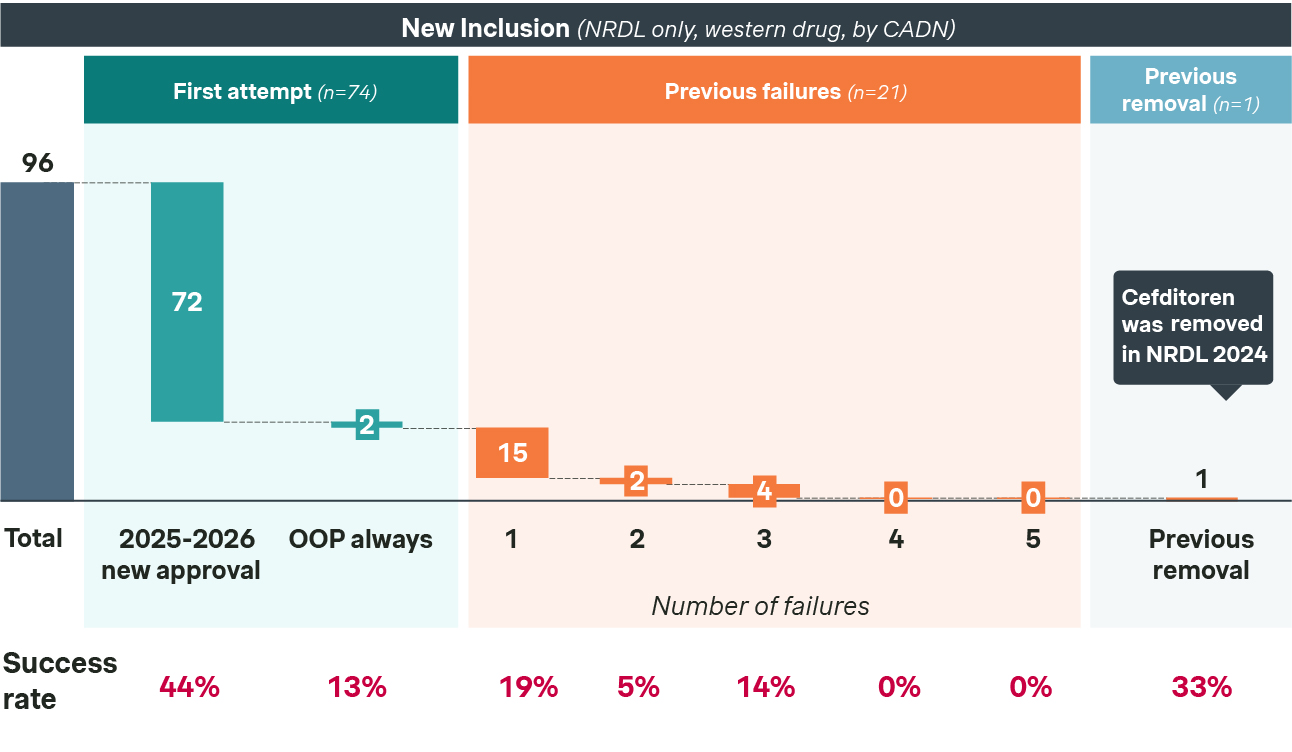
Source: Simon-Kucher insights; NHSA
- Following unsuccessful submission to both the NRDL and C-list in 2025, encorafenib shifted to a focused NRDL-only strategy in 2026. For indication, it prioritized NSCLC to avoid the combination therapy restrictions associated with CRC. On comparator, it moved from no-comparator to proposing dabrafenib + trametinib, the standard of care for BRAF V600E-mutated NSCLC. On evidence, it upgraded evidence package around NSCLC with MAIC demonstrating a 53% reduction in the risk of disease progression versus the proposed comparator, thereby addressing a potential evidence gap in comparative efficacy.
- Asciminib refined the NRDL strategy across positioning, comparator selection, and evidence generation as well. Firstly, asciminib repositioned itself as a clinically differentiated, fair priced alternative to existing NRDL-listed therapies, supported by a proactive list price reduction ahead of submission as a strategic pricing gesture. On comparator, it moved away from its previous comparator to flumatinib to better align with NRDL comparator selection criteria; On evidence, it strengthened its comparative efficacy package with a MAIC against the new comparator, while addressing the previous gap in China-specific evidence with local RWE to substantiate its efficacy in Chinese patients, ultimately made it to NRDL with flying colors.
For both first timers and comebacks, a common set of success factors are emerging for NRDL listing, including clear positioning and value messages, compelling evidence especially based on China data, as well as proactive preemption of payer concerns.
Leading players have been successful in securing NRDL inclusion with moderate price cuts
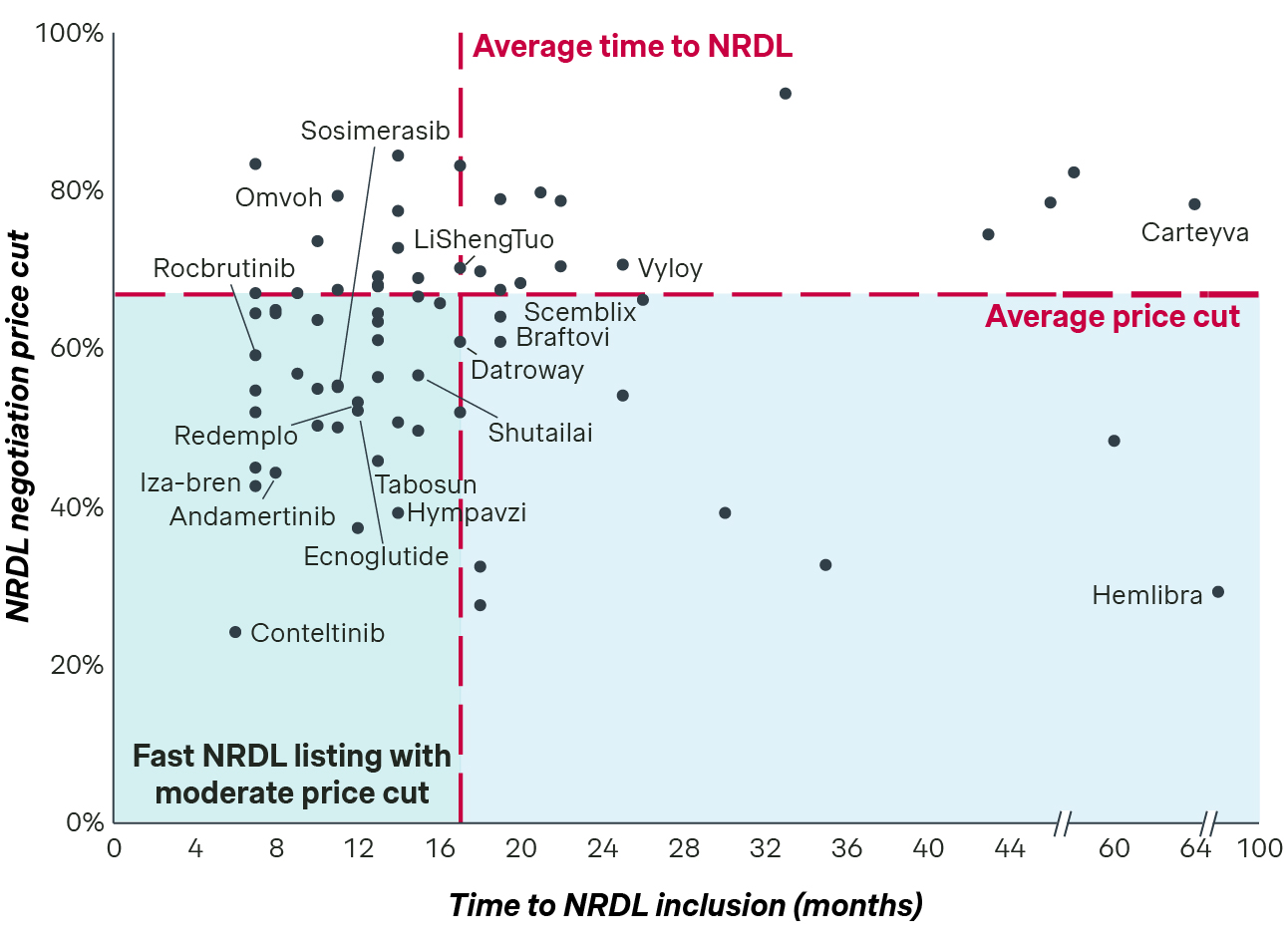
Source: Simon-Kucher insights; NHSA
NRDL renewal
233 NRDL-listed products submitted for renewal this year, including 64 products applied for indication expansions and 51 succeeded.
- Pressure remained on simple renewal and renegotiation given the growing competitive pressure across TAs and indications. Regular listing also saw important changes this year, with adjustments to the listing rule for drugs that have been included in NRDL for more than 8 years. Following the revisions, vemurafenib became the only product to transition successfully to the regular NRDL this year.
- Among the successful indication-expansion products, Enhertu added five indications successfully. Dupixent returned after an unsuccessful attempt last year and secured expansions to COPD, asthma, bullous pemphigoid, and prurigo nodularis. Of 11 products seeking coverage for combination regimens, 10 were successful, including Sintilimab combo with NRDL-listed fruquintinib for renal cell carcinoma, and another with new ipilimumab N01 for neoadjuvant colorectal cancer treatment.
C-list
In its second year, the C-list saw 12 new additions with success rate at 21%.
C-list 2026 is seeing increased overall success rate of 21%, with higher success rate of 60% for C-list only applicants
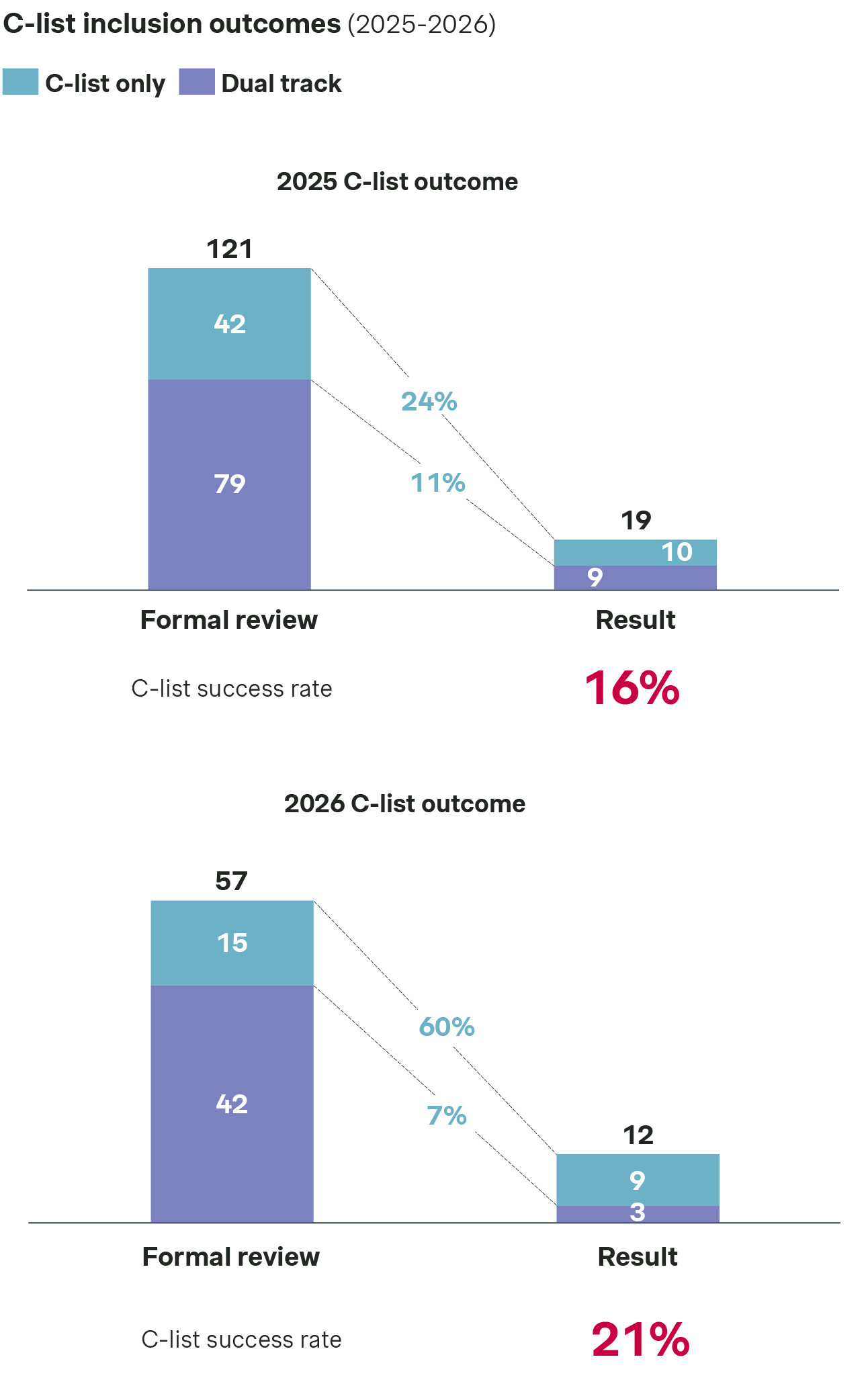
Source: Simon-Kucher insights; NHSA
The sharp decline in applications from 121 to 57 may reflect better understanding from the industry on the distinct roles of two pathways, as well as lingering uncertainties over the landing of C-list. Policymakers appear to be responding with reassuring signals.
- Products included in the inaugural C-list have made ongoing progress in securing coverage under commercial health insurance plans, while benefiting from exemptions from typical restrictions on provincial platform listing, hospital access, and clinical utilization. Improved access across designated medical institutions and pharmacies, as reported at this year's official announcement, reflects NHSA's sustained efforts to facilitate C-list implementation.
- Application strategy made a difference. Of the 15 drugs applying exclusively to the C-list, 9 succeeded. This 60% success rate exceeds the overall NRDL success rate and is comparable with that of Class 1 new drugs. Among 42 dual-track applicants, by contrast, only 3 entered the C-list, with success rate at just 7%. This goes to show that pursuing dual track did not necessarily provide a safety net, and underscores the need for sharp focus and clear choices.
- Inclusion criteria also reveal a clearer pattern. Highly innovative modalities such as gene therapies, CAR-T, and radiopharmaceuticals have better chance standing out. Products demonstrating unique value and superiority were favored, and no NRDL substitute has become a necessary condition, while compatibility with commercial insurance by demonstrating strong commercial appeal with manageable claim risk is increasingly important.
- Towards that end, Pluvicto demonstrated an established commercial coverage by multiple City-CHI formularies, Tofersen benefited from heightened public awareness of ALS following the Ice Bucket Challenge, and Cablivi highlighted budget predictability through its three-day dosing period. Each addresses the same question from a different angle: how to help improve the appeal of commercial health insurance while giving insurers assurance on risk manageability.
- Current C list formulary stands at 28 drugs, with oncology accounting for over half while the weight for rare diseases notably increased from last year.
Current C list formulary stands at 28 across three key therapeutic areas
Source: Simon-Kucher insights; NHSA
Right before the release of the new C-list though, there were mixed signals from different key stakeholders.
- A joint policy from four government departments including NHSA and NHC was released to encourage better access for innovative drugs through facilitating hospital listing for Class 1 drugs on both NRDL and C-list and easing DRG constraints.
- Shortly afterwards, the Insurance Association of China or IAC published its first Recommended Drug Coverage List for Commercial Health Insurance covering 57 drugs and 1 medical device partially overlapping with the C-list, apparently towards establishing a different formulary and adding new uncertainties to the future of C-list.
Key takeaways
China access landscape has seen remarkable changes over the past five years, which should be examined in the context of the dynamic development across the underlying market and industry.
First of all, NRDL is no longer the only game in town. Commercial insurance and alternative access have been gaining strong momentum, exemplified by the introduction of C-list last year and IAC list last week, each with distinct attractiveness, limitations, and tradeoffs.
Still, NRDL remains at the front and center, having undergone notable changes itself. There have been ongoing finetuning of the NRDL process, value rating framework, and HTA assessment guidelines, generally in the direction of more transparency and engagement, as underscored by the pre-communication and pre-submission mechanisms introduced this year.
With the fast rise of China biopharma industry and increasing interest from multinationals, it is not surprising the candidate pool for NRDL has expanded significantly and success rate has nearly halved from 56% in 2023 to 29% in 2026. In all likelihood, this will only trend lower going forward with tougher competitions and more price pressure.
Against the backdrop, it is even more important to strategize which pathway to pursue, what it takes for each, and how to plan ahead and play to win in the increasingly competitive and dynamic China market.
Thanks to contributions from Ruoyu Jiang, Yiwen Ying, and Fangyi Dong!