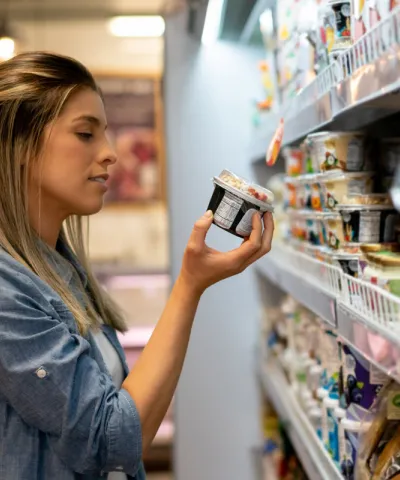
1. Private label becomes the default
Private label is no longer a fallback, it is the first choice for many shoppers. With nearly half of consumers predominantly buying private labels and price rising in importance, value now drives everyday decisions.
2. Function vs. emotion: a divided market
Private labels dominate everyday essentials, while brands are pushed into emotional and indulgent categories. As shoppers grow more critical, brands must work harder to justify their premium.
3. Beyond basic: Quality tiers expand
While basic private label leads in volume, higher-quality and premium tiers are gaining traction fast. Consumers are trading up within private label, narrowing the gap with branded products.
4. A structural shift, not a phase
The move to private label is sticking. Even with price changes, most consumers do not plan to return to brands, signaling a long-term reset in shopping behavior.